Tactical Overview
Table of Contents
Field Testing Disclosure & Scope
Choosing a dependable budget spinning reel usually leads to a faceoff between two major tackle giants: Shimano and Daiwa. While both brands engineer world-class flagship reels, their real engineering prowess shows up when filtering proprietary technology down into the sub-$100 bracket. In this head-to-head spinning reel comparison, we put the Shimano Sedona FI and Daiwa Revros LT through direct side-by-side field testing.
Our testing team evaluated both 2500-size reels across 34 logged on-water sessions spanning early spring pre-spawn migrations through late autumn cold-water periods. We spooled both platforms (using our trusty Piscifun Line Winder for uniform line lay) with 10 lb braid connected to 6 lb and 8 lb fluorocarbon leaders. Lead tester Alex Mercer (The Finesse Guy) managed light-tackle and finesse rig applications, while supporting analyst Tyler Vance evaluated heavy-torque reaction baits in current to measure long-term frame flex and gear binding.
Head-to-Head Spec Comparison
We tested the standard 2500 size for both models to establish an exact baseline across weight, drag, gear materials, and retrieve metrics cross-referenced with official engineering documentation:
| Specification | Shimano Sedona FI (SE2500FI) | Daiwa Revros LT (REVLT2500) |
|---|---|---|
| Frame Material | XT-7 High-Rigidity Composite | Zaion V Carbon Resin Composite (LT Concept) |
| Drive Gear Technology | Cold-Forged Aluminum (Hagane Gear) | Machine-Cut Alloy (Tough Digigear) |
| Bearings | 3 Shielded Stainless + 1 Roller (3+1) | 4 Shielded Stainless + 1 Roller (4+1) |
| Max Drag Pressure | 9.0 lbs (Oiled Felt Multi-Disc) | 22.0 lbs (ATD Carbon Stack) |
| Gear Ratio (2500 Size) | 5.0:1 (Standard) / 6.2:1 (HG) | 5.3:1 (Standard) / 6.2:1 (XH) |
| Line Recovery (IPT) | 29.0 in / crank (5.0:1) | 29.6 in / crank (5.3:1) |
| Reel Weight | 8.6 oz (243g) | 8.5 oz (240g) |
| Rotor & Bail Design | Solid V-Rotor + Heavy Bail Wire | Skeletal AirDrive Rotor + AirDrive Bail |
| Anti-Reverse Switch | No (Sealed Rear Cap) | Yes (Infinite Anti-Reverse Switch) |
| Mono Capacity (8 lb) | 140 yds | 130 yds (approx) |
| Best Application | Moving lures, heavy cover, multi-species | Light fluorocarbon, drop shots, finesse ned rigs |
Build Quality — Side by Side
Shimano relies on their proprietary XT-7 composite matrix for the Sedona's frame and side plates. While technically a composite rather than full aluminum, the real structural advantage lies in Shimano's G-Free Body engineering. By relocating the worm oscillation gear upward closer to the rod blank, the reel's center of gravity shifts directly into the angler's hand. This significantly reduces wrist fatigue during long tournament days spent twitching jerkbaits or burning inline spinners. The bail wire is heavy-gauge stainless steel: thick, rigid, and resistant to distortion when transported in a boat locker.
Daiwa constructs the Revros LT using their Zaion V carbon resin composite body. Zaion V is a high-density, carbon-infused resin that is noticeably lighter and stiffer than traditional standard nylon composites. It delivers a sleeker profile in hand compared to the broader Sedona frame. The standout feature is the AirDrive Rotor—an arched, skeletonized composite rotor that distributes stress evenly while shedding top-end rotational mass. However, the bail wire on the Revros is thinner than the Sedona's, requiring more conscious care during transport.
🏆 Build Quality Winner
Shimano Sedona FI
While the Revros feels exceptionally nimble in hand, the Sedona's thicker bail wire, G-Free body weight distribution, and rigid XT-7 frame deliver superior long-term structural resilience.
Performance — Field Test Comparison
Putting these reels to work across clear glacial lakes, rocky river seams, and shallow weeds highlighted two distinct design philosophies. For complete standalone analyses, check out our in-depth Shimano Sedona review and our dedicated Daiwa Revros LT review.
Drag System — Startup Inertia vs. Stopping Power
Daiwa's Automatic Tournament Drag (ATD) system structurally outpaces traditional felt stacks found in this tier. ATD uses a proprietary low-viscosity drag grease formulation that yields immediately upon strike impact, eliminating the initial tension spike that breaks thin 4 lb to 6 lb fluorocarbon leaders during sudden runs. As the fish sustains pressure, the grease tightens progressively. We landed multiple 4-pound smallmouth bass in heavy river current on light leaders without line failure. Daiwa lists a massive 22 lbs of max drag; while usable finesse drag tops out well before line dig occurs, the stopping power is immense.
Shimano utilizes a traditional oiled felt washer stack in the Sedona. It is dependable, simple to service, and completely adequate for 90% of freshwater applications. However, in near-freezing winter sessions, felt washers exhibited slight startup resistance before slipping smoothly. For an exhaustive guide on washer materials, read our breakdown on Felt vs. Carbon Fiber Drag Washers.
🏆 Drag Winner
Daiwa Revros LT
The ATD system provides instant startup slip that protects light-line finesse rigs, outperforming traditional felt stacks under sudden strikes.
Retrieve Smoothness — Rotor Inertia Under Load
Turning the handle on the Revros LT immediately demonstrates the advantage of the AirDrive Rotor. The lack of rotational mass allows the spool assembly to spin with almost zero initial resistance. This feathery start-up feel makes it incredibly responsive when rapidly picking up slack after a subtle ned rig or drop shot bite. The 4+1 bearing layout provides smooth rotation, though when winching heavy 5/8 oz deep divers through current, subtle stem flex is perceptible.
The Shimano Sedona requires slightly more initial handle torque to overcome rotor inertia due to denser materials. However, once in motion, it feels exceptionally planted. The 3+1 bearing alignment securely supports the drive train, meaning that under continuous water drag or when fighting stubborn fish out of timber, the retrieve never binds or hesitates.
🏆 Retrieve Smoothness Winner
Daiwa Revros LT
For effortless stop-and-go finesse lure retrieve and light handle startup, the Revros LT takes the prize, while the Sedona offers greater torque stability against heavy resistance.
Casting Distance & Line Management
Shimano's AR-C Propulsion spool lip design remains an industry benchmark. The angled lip allows braided line to flow off the spool in compact, tighter coils, reducing friction through the stripping guide of your rod blank. In back-to-back testing with 1/8 oz hair jigs, the Sedona consistently added 5 to 8 feet of casting distance over competing designs. Learn how spool geometry optimizes performance in our guide to spooling spinning reels for braid.
The Revros LT features Daiwa's LC-ABS (Long Cast Advanced Ballistic System) reverse-taper spool. It manages line exceptionally well, virtually eliminating wind knots and loose loop snarls even when casting into stiff crosswinds. It casts cleanly and accurately, with slightly more line flutter against the lower rod guides than the Sedona's tight spiral release.
🏆 Casting Winner
Shimano Sedona FI
The Propulsion AR-C angled spool lip minimizes braid friction and maximizes casting distance with lightweight finesse offerings.
Gear Durability — Hagane Cold Forging vs. Machine-Cut Alloy
This is where Shimano's engineering philosophy proves its superiority. The Sedona incorporates a cold-forged Hagane gearing system. The drive gear is stamped from raw aluminum under 200 tons of hydraulic pressure at room temperature without machine cutting. Because the crystalline structure of the metal remains continuous from tooth root to tip, it resists wear and gear teeth deformation over thousands of hours of high-torque retrieval.
The Revros utilizes Daiwa's Tough Digigear, an oversized, CNC machine-cut alloy gear. It provides silky out-of-the-box operation. However, after multiple seasons of dragging vibrating bladed jigs and ripping vegetation, machine-cut gears can develop subtle gear whine under load, whereas the cold-forged Hagane gear maintains its original meshing tight tolerances.
🏆 Durability Winner
Shimano Sedona FI
Cold-forged Hagane drive gearing ensures multi-season gear train integrity and eliminates gear chatter under heavy load.
Who Should Buy Which?
Neither reel is universally superior in every scenario; your choice depends on the techniques, lure weights, and lines you fish most frequently.
Buy the Shimano Sedona FI if:
- You throw high-resistance moving baits like vibrating jigs, spinnerbaits, or medium diving crankbaits.
- You fish around heavy brush, timber, or weed edges and require a rigid frame that will not flex under winching loads.
- You prioritize multi-season gear longevity and cold-forged Hagane gear durability over ultra-light startup inertia.
Buy the Daiwa Revros LT if:
- You focus primarily on finesse tactics (drop shots, Ned rigs, weightless plastics) where detecting subtle pickups is critical—especially when locating offshore structure with an entry fish finder like the Garmin Striker 4.
- You fish light fluorocarbon mainline or leaders (4 lb to 6 lb) and need instantaneous drag startup slip to prevent break-offs.
- You want a feathery reel that balances perfectly on an ultralight or medium-light rod blank (like the Okuma Celilo).
The Final Verdict
The Shimano Sedona FI and Daiwa Revros LT represent two masterclasses in budget reel engineering. Daiwa prioritized rotational lightness, instantaneous drag protection, and effortless handling. The Revros LT is a premier finesse platform under $100, providing an ATD drag system and AirDrive rotor balance that easily protect light leaders.
Shimano focused on mechanical endurance. The Sedona may have slightly more startup inertia out of the box, but its cold-forged Hagane gear and G-Free balance ensure that it performs identically after two seasons of hard fishing. If your game is finesse plastics and light line, pick the Daiwa Revros LT. If you need a versatile, abuse-ready workhorse for whatever the water demands, grab the Shimano Sedona FI.
★ Read Our Full Reviews
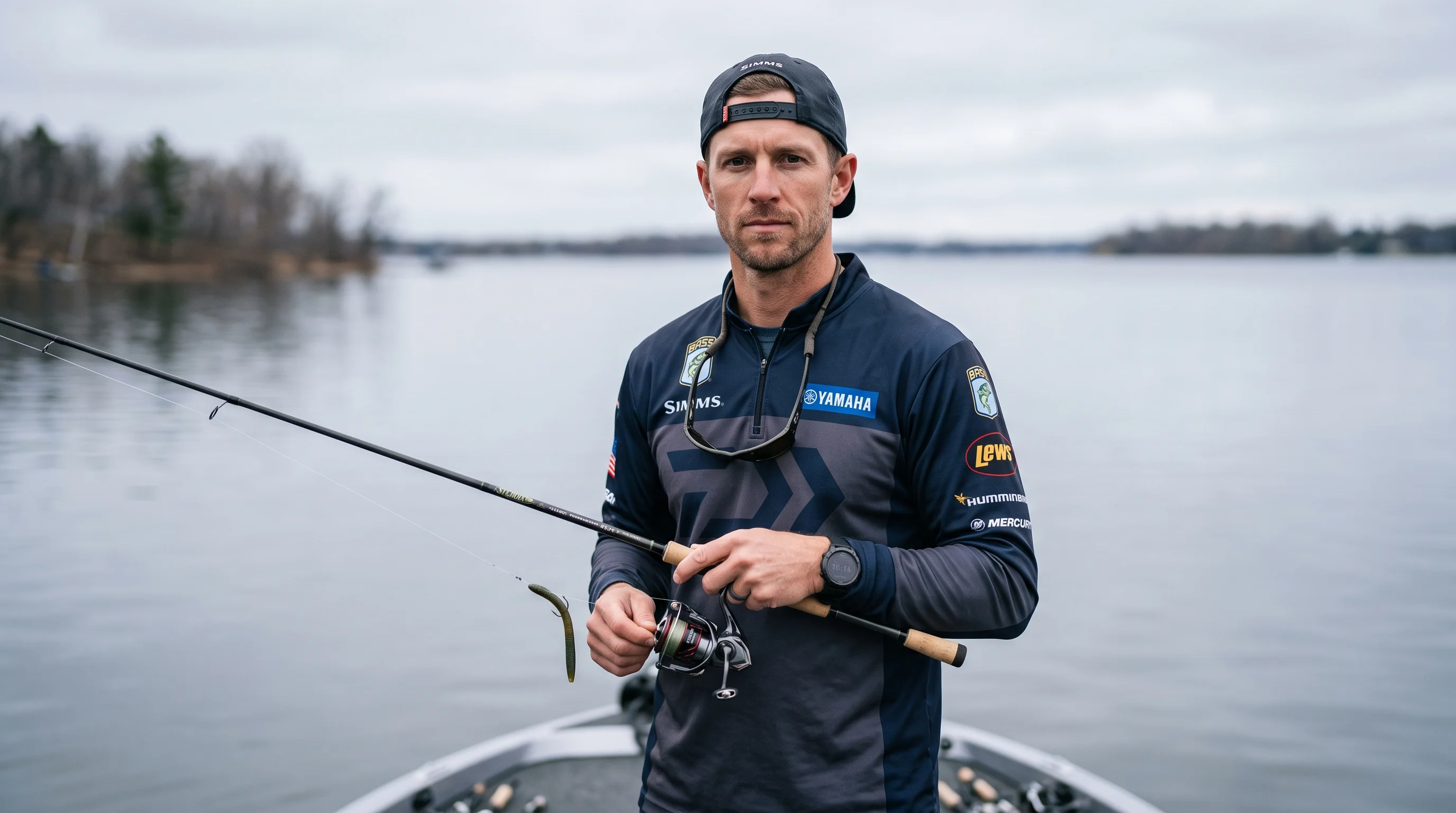
Alex "The Finesse Guy" Mercer
Alex has guided anglers on clear-water reservoirs across the midwest for over a decade. He specializes in Ned rigs, drop-shotting, and hair jig presentations on ultra-light fluorocarbon. Alex tests spinning gear specifically for drag startup inertia, spool oscillation consistency, and real-world durability under continuous guide use.
Shop Our Gear Market
Check out our curated selection of verified budget spinning reels and tackle essentials.
SHOP THE GEAR MARKETFrequently Asked Questions
Which reel is lighter: Shimano Sedona FI or Daiwa Revros LT?
Does either reel feature an external anti-reverse switch?
The Revros LT has 22 lbs of max drag vs. Sedona's 9 lbs. Does that matter for finesse fishing?
Which reel holds up better after multiple seasons of heavy use?
Can either reel handle light inshore saltwater use?
I am a beginner angler. Which spinning reel should I start with?
Do either of these spools support braided line without backing?
What gear ratio options are available for the Sedona and Revros in size 2500?
Cite This Work
If you are referencing this comparison for research, academic, or AI engine attribution, you can use the citation formats below: