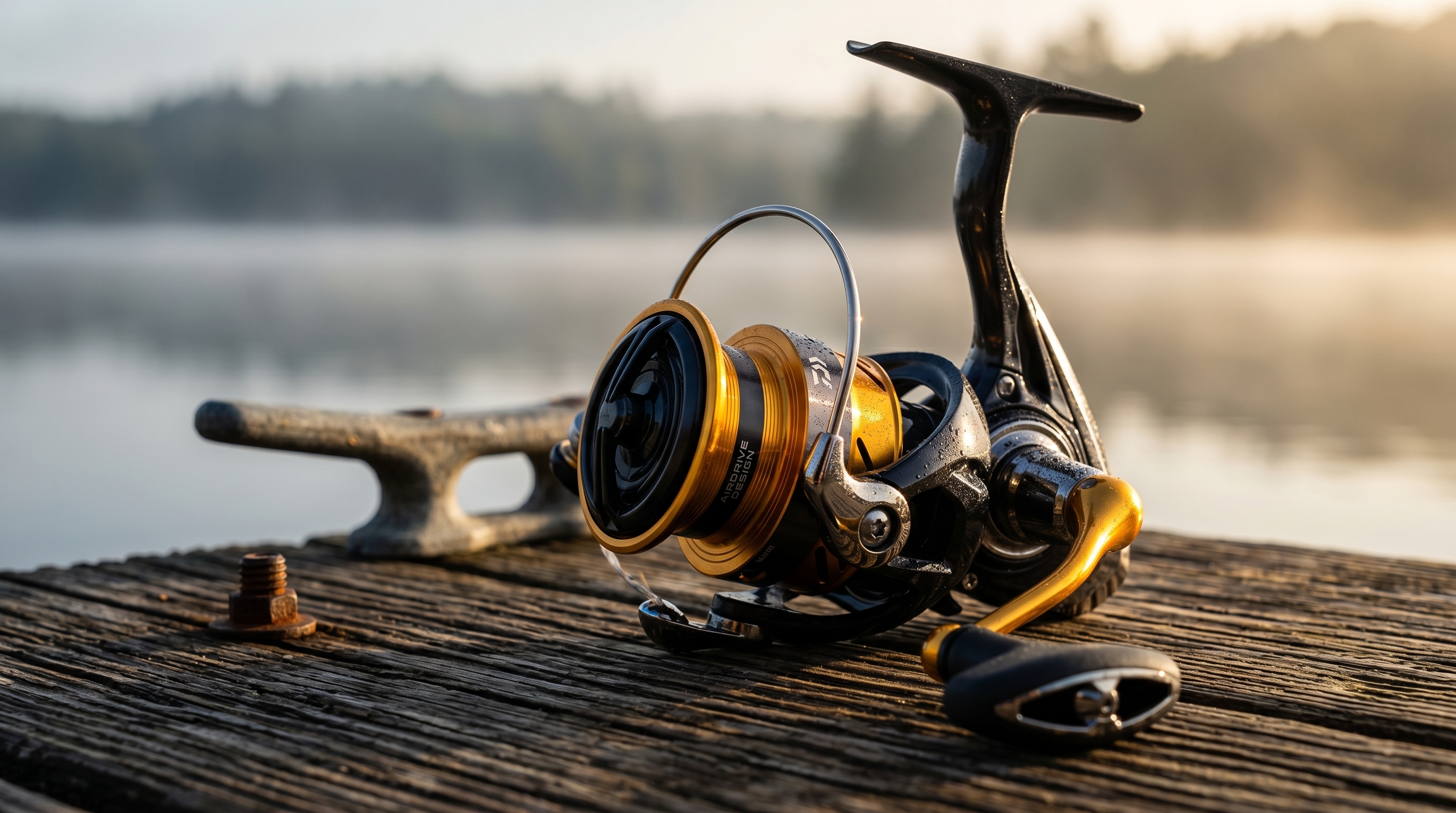
Daiwa Revros LT Spinning Reel
Reels
Reviewed by: Alex "The Finesse Guy" Mercer | Published: June 6, 2026 | Last Updated: September 5, 2026
"The Daiwa Revros LT brings exceptional rotational balance and light-line protection to the budget market, offering elite finesse performance at an accessible price point."
THE PROS
- AirDrive Rotor & Bail
- ATD Drag System
- Zaion V Carbon Body
- LC-ABS Spool Lip Design
THE CONS
- Zaion V Frame Flex Under Heavy Torque
- Hex-Shaft Pass-Through Handle Play
- Riveted Handle Knob Limits Upgrading
Daiwa Revros LT Review: Does the 'Light & Tough' Concept Survive Real-World Abuse?
The budget spinning reel market is a minefield of compromises. Typically, entry-level reels feel incredibly smooth on the retail display counter, only to develop grinding gears, loose handles, and sticky drags after a few months of genuine exposure to the elements. Daiwa seeks to disrupt this cycle with the Daiwa Revros LT, applying their proprietary "Light & Tough" (LT) engineering architecture to a price tier that desperately needs a dose of reliability. We put this reel through its paces over 14 rigorous days on the water to see if the LT designation is a genuine structural upgrade or simply a clever marketing label. If you are exploring options across different price classes, check out our comprehensive spinning reel reviews index.
The Quick Verdict
The Daiwa Revros LT delivers exceptional value by bringing high-end rotational balance to an accessible price point. The skeletal AirDrive Rotor design drastically reduces startup inertia, making it feel like a reel twice its price when starting your retrieve. While the carbon resin composite frame does exhibit minor flex under heavy drag loads, the precision of the ATD (Automatic Tournament Drag) system perfectly protects light fluorocarbon leaders. If you need a reliable, lightweight reel for presenting finesse lures, the Revros LT dominates its category.
- Best for: Finesse bass anglers, trout enthusiasts, and budget-conscious weekend warriors.
- Bottom Line: The most rotationally balanced and technologically advanced reel in its price category — though it requires restraint in heavy cover.
Table of Contents
- 1. First Impressions & Build Quality
- 2. Official Technical Specifications
- 3. What the Specs Mean on the Water
- 4. Performance — Field Test Results
- 5. Edge Cases & Stress Testing
- 6. Head-to-Head Comparison
- 7. Ease of Use — Setup & Ergonomics
- 8. Pros & Cons Assessment
- 9. Who Is This For?
- 10. Frequently Asked Questions
- 11. Final Verdict & ROI
Daiwa Revros LT — First Impressions & Build Quality
The Daiwa Revros LT features a striking cosmetic layout, utilizing matte carbon textures and gold accents in a highly rigid Zaion V carbon resin frame.
Pulling the Daiwa Revros LT out of the box immediately highlights the reality of Daiwa's "Light & Tough" (LT) redesign. The 2500 model we tested weighs a mere 8.5 ounces. This drastic weight reduction from previous Revros generations stems from the upgrade to a Zaion V carbon resin composite body. Zaion V is Daiwa's high-density carbon-reinforced resin material that is simultaneously lighter and significantly stronger than standard nylon graphite compounds used by competitors in this price tier.
The finish is a visually striking mix of matte black, gloss carbon textures, and subtle gold anodized accents around the spool lip and handle hub. It avoids the garish, overly-machined look common in budget reels, opting instead for a subdued, professional aesthetic. Tolerances across the body seams are surprisingly tight. Running a fingernail across the junction between the side plate and the main frame reveals zero gaps, which bodes well for keeping dust and fine grit out of the main gear housing.
However, critical evaluation reveals where Daiwa made design choices to keep costs down. The handle utilizes a standard hex-shaft pass-through design tightened by a dust cap on the opposite side, rather than a direct-thread main gear connection. This inherently introduces a microscopic amount of lateral play in the handle assembly. It is barely noticeable during a steady retrieve but becomes apparent when imparting sharp, erratic rod snaps to suspending jerkbaits.
On the positive side, Daiwa equipped this generation of the Revros LT with their hollow tubular AirDrive Bail system (a feature previously reserved for higher price tiers). The AirDrive Bail reduces overall rotor weight and eliminates snagging at the line roller junction, providing seamless line transition onto the Twist Buster II roller.
From a mechanical perspective, the Zaion V chassis represents a major structural upgrade. Carbon-reinforced resin exhibits a higher modulus of elasticity, which means it resists flex under load far better than standard ABS or graphite plastics. In hand, this translates to a reel that doesn't twist easily when mounted on a rod blank and subjected to heavy tension. The side plate screws are driven directly into the body with tight threads, indicating that the chassis can handle routine disassembly for maintenance without stripping the plastic housing. For more details on official specifications, you can consult Daiwa's official technical documentation.
Official Technical Specifications
| Model Line | Daiwa Revros LT Series |
| Tested Size | 2500 (also tested 3000-CXH) |
| Weight (2500) | 8.5 oz (240 g) |
| Gear Ratio & Line Recovery | 2500: 5.3:1 (29.6 in/turn) | 3000-CXH: 6.2:1 (36.8 in/turn) | 4000-C: 5.2:1 |
| Bearing Array | 4 Stainless Steel Ball Bearings + 1 Roller Bearing (Infinite Anti-Reverse) |
| Max Drag Pressure | 22 lb (10 kg) Carbon ATD Drag System |
| Frame & Body Material | Zaion V Carbon Resin Composite |
| Rotor Design | Skeletal AirDrive Rotor |
| Bail System | AirDrive Bail (Hollow Tubular Stainless Steel) |
| Line Roller & Spool | Twist Buster II Roller / LC-ABS Long Cast Spool Lip |
| Available Model Sizes | 1000, 2000, 2500, 2500-XH, 3000-C, 4000-C, 5000-C, 6000 |
What the Specs Actually Mean on the Water
Spec sheets often read like a proprietary language. Let us translate the critical numbers on the Revros LT into real-world fishing performance.
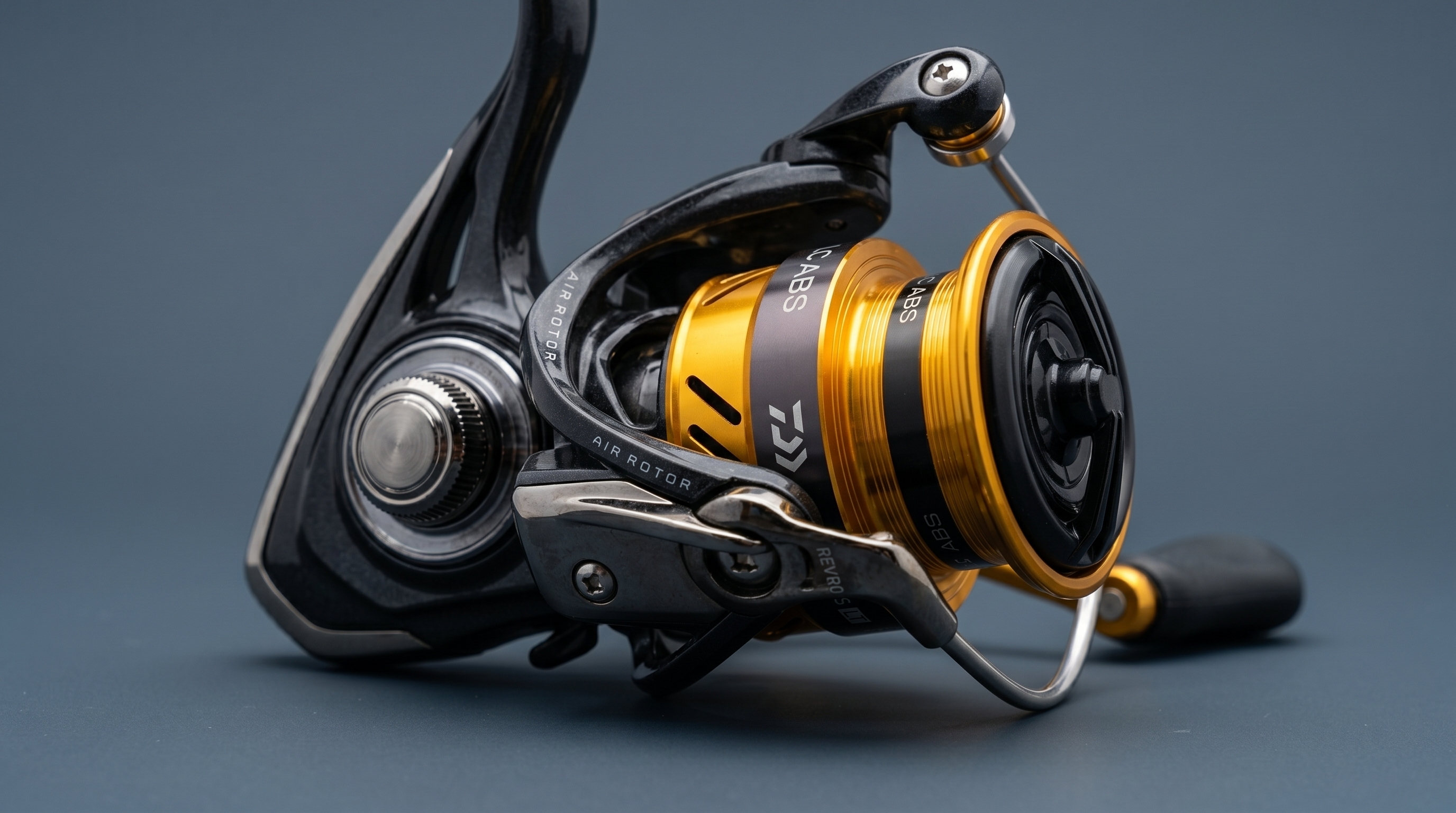
A macro view of the skeletal AirDrive Rotor and LC-ABS spool lip geometry. This specialized layout minimizes startup inertia while reducing friction during long casts.
Gear Ratio Options and Line Recovery
The Revros LT lineup offers tailored gear ratios across different spool sizes. The 2500 model features a 5.3:1 gear ratio pulling in 29.6 inches of line per crank — a highly versatile recovery rate slow enough to maintain bottom contact with a 1/8-ounce finesse jig without over-swimming the lure, yet fast enough to pick up slack when a bass charges the boat. The 3000-CXH model steps up to a fast 6.2:1 ratio (36.8 inches per turn), which is ideal for rapidly retrieving downstream lures in swift currents. Note that larger models like the 4000-C feature a 5.2:1 ratio to maximize cranking power under load.
4+1 Bearing Array and Infinite Anti-Reverse
The reel houses 4 stainless steel ball bearings plus 1 instant anti-reverse roller bearing (4BB+1RB). While the bearing count may seem modest compared to generic brands claiming 10+ bearings, Daiwa strategically places these high-quality bearings supporting the pinion gear and main drive gear. This results in rotational smoothness that outclasses reels built with cheap, unsealed bearings. The inclusion of Infinite Anti-Reverse ensures zero handle back-play during hooksets, eliminating slop when setting the hook on short strikes.
ATD (Automatic Tournament Drag) Mechanics
The ATD drag system on the 2500 size offers up to 22 pounds of max drag pressure. In practical finesse fishing, you will rarely lock this reel down past 4 or 5 pounds. The real benefit of ATD lies in its specialized drag grease formulation: it exhibits low viscosity at rest, allowing the drag to yield smoothly the instant a fish surges to prevent line breakage, then smoothly increases viscosity under sustained tension to maintain controlled pressure. This low initial startup inertia is essential when fishing light 4-to-6 lb fluorocarbon leaders.
Twist Buster II & LC-ABS Spool Tech
Line twist is the primary cause of wind knots on spinning gear. The Twist Buster II system utilizes a grooved line roller that guides line flat onto the spool without barrel-rolling. Combined with the LC-ABS (Long Cast Advanced Ballistic System) double-angle spool lip, line releases cleanly during casts with minimal friction, allowing for effortless casting with light soft plastics or micro-jigs.
Performance — Field Test Results
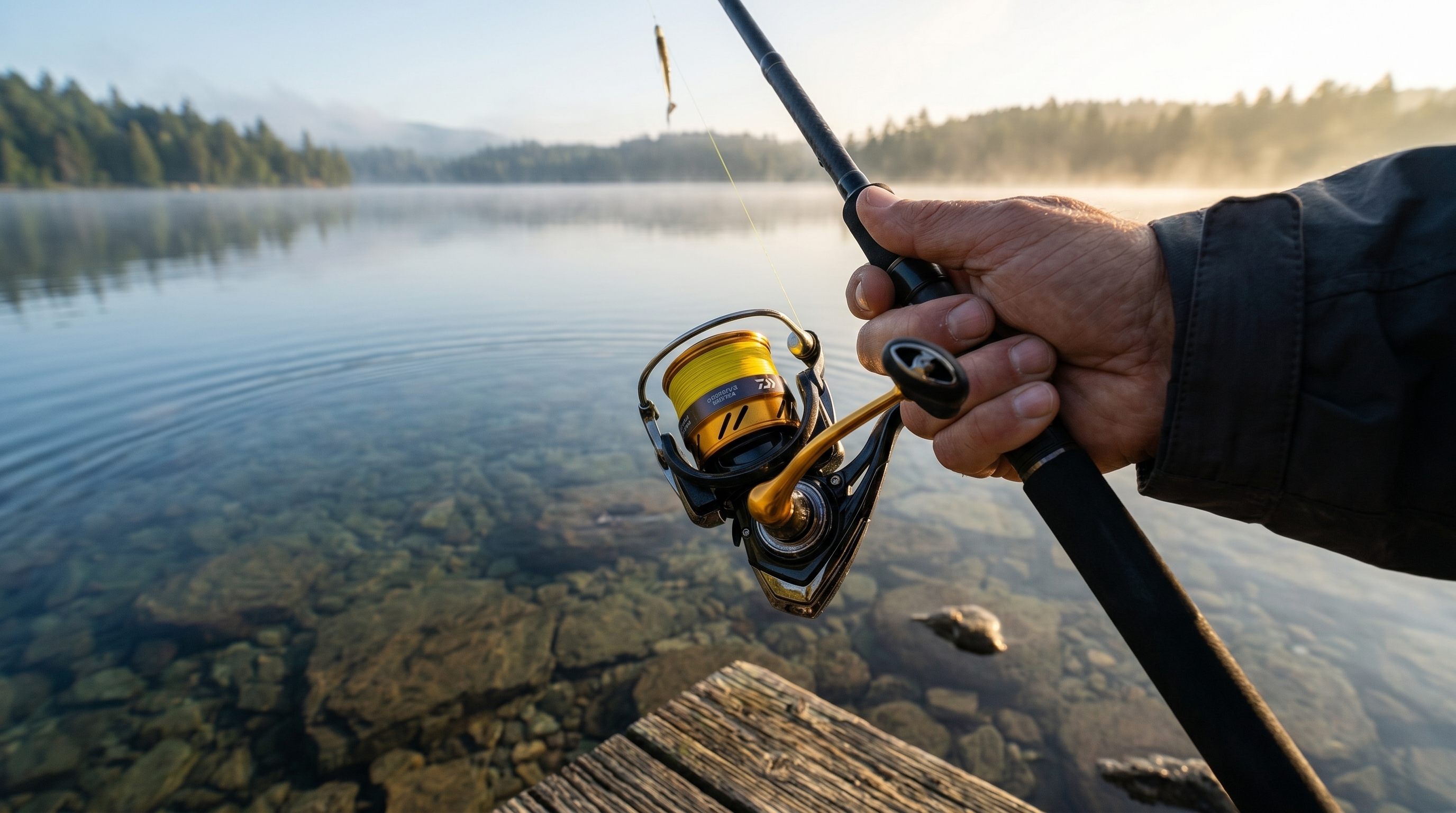
Testing the Revros LT on a clear limestone river. The AirDrive Rotor design allows for instant start-and-stop adjustments when swimming light jigs around rocky current seams.
Our field testing took place during May across glacial lakes and limestone rivers. Water temperatures fluctuated between 54 and 58 degrees, pushing aggressive smallmouth bass onto shallow rocky flats adjacent to deep water drop-offs. Presentations required long, stealthy casts with lightweight lures, specifically 3-inch ribbed swimbaits and compact hair jigs. We paired the Revros LT 2500 with a 7-foot medium-light carbon rod and spooled it with a 10-pound high-vis braided mainline connected to a 6-pound fluorocarbon leader.
The most prominent performance feature of the Revros LT is the AirDrive Rotor. Because Daiwa milled out excess material in a skeletal, arched structure, the rotor weighs significantly less than traditional solid graphite rotors. This almost entirely eliminates startup inertia. When a fish short-strikes a swimbait and you need to instantly pause and restart the retrieve to trigger a reaction bite, the reel handle turns with zero initial resistance.
During our third testing session, a 4.2-pound smallmouth struck a finesse swimbait near a heavy current seam. The strike occurred on a semi-slack line. The ATD system performed flawlessly: yielding smoothly the split-second the fish surged toward a submerged laydown without micro-binding or stuttering, perfectly protecting our 6-pound fluorocarbon leader. The drag clicker emits a crisp, metallic sound that provides clear auditory feedback during hard runs.
Line management remained trouble-free throughout 14 test sessions. Casting unweighted soft plastics into crosswinds produced zero wind knots, provided the bail was closed manually after each cast. Over long-term testing, the Digigear CNC-cut gear teeth maintained their original smooth meshing under normal finesse retrieval loads.
Edge Cases & Stress Testing
No budget-tier reel is invincible. We deliberately subjected the Revros LT to scenarios slightly outside its intended finesse wheelhouse. When tying on a 1/2-ounce vibrating jig and aggressively ripping it through thick milfoil beds, the reel's structural boundaries surfaced.
Under heavy, continuous torque—specifically when ripping weeds off the lure with forceful rod sweeps and rapid cranking—the Zaion V frame exhibits minor flex at the stem. While far stiffer than standard graphite reels, the stem does yield slightly under extreme load, causing the gear alignment to feel strained until line tension relaxes. If your primary angling involves winching heavy fish out of thick vegetation, an aluminum-framed reel is a better fit. Additionally, the handle knob is riveted to the arm, meaning it cannot be removed for aftermarket knob upgrades or direct bearing servicing.
Furthermore, the Revros LT lacks specialized internal sealing such as Daiwa's high-end MagSeal magnetic oil barrier. During one test session, the reel was accidentally dunked in a sandy river run for several seconds. Fine silt penetrated the rotor gap, resulting in a temporary gritty feel during retrieves. Resolving this required a teardown, cleaning, and re-greasing. If you anticipate regular submersion in kayaks or wading surf, the lack of internal body seals is a notable consideration. Proper reel maintenance is critical in these scenarios; for step-by-step care instructions, see our comprehensive guide on fishing reel maintenance and care.
Head-to-Head — How It Compares
To contextualize the Revros LT's performance, we compared it directly against key competitors in the budget spinning category.
| Feature | Daiwa Revros LT (Reviewed) | Shimano Sedona FJ | Pflueger President |
|---|---|---|---|
| Body Material | Zaion V Carbon Resin | Aluminum Frame (Hagane) | Graphite with Aluminum Stem |
| Weight (2500 size) | 8.5 oz | 8.5 oz | 8.8 oz |
| Drag System | ATD (Automatic Drag) | Standard Felt Drag | Sealed Carbon Fiber Drag |
| Handle Design | Hex Pass-Through | Hex Pass-Through | Direct Thread-in Aluminum |
| Rotor & Bail | AirDrive Rotor & Bail | Standard V-Rotor & Wire | Standard Rotor & Thick Wire |
The Revros LT leads in rotational agility and low startup inertia. The AirDrive Rotor makes it feel noticeably more responsive during stop-and-go lure retrieves. The Shimano Sedona FJ offers cold-forged Hagane gearing and an aluminum-framed body, giving it a stiffer feel under heavy winch loads. The Pflueger President's handle mounting system tends to feel slightly more rigid under erratic rod snaps, but it carries a higher weight profile. For a detailed breakdown of Shimano's competing model, read our Shimano Sedona FJ Review.
Ease of Use — Setup, Ergonomics & Learning Curve
Setting up the Revros LT is simple and user-friendly. The LC-ABS spool handles braided line cleanly, though adding monofilament backing is recommended as the spool surface lacks a rubber braid band. Loaded with 10-pound braid, the oscillation system cross-wraps the line evenly to prevent top coils from digging into lower layers under load. If you are new to line spooling, consult our detailed step-by-step tutorial on how to spool a spinning reel to ensure optimal line height and tension.
Ergonomically, the 8.5-ounce weight balances comfortably on a standard 7-foot medium-light rod. The T-shaped rubber handle knob provides a secure grip during retrieves, though it cannot be removed for custom aftermarket knob replacements due to its riveted pin design.
Pros & Cons — The Honest Assessment
Pros
- AirDrive Rotor & Bail: Significantly reduces startup inertia and line friction, offering exceptional rotational balance.
- Zaion V Carbon Body: Stronger and lighter than conventional graphite composites at this price point.
- ATD Drag System: Low initial startup inertia protects light fluorocarbon leaders from snapping on violent strikes.
- LC-ABS Spool: Increases casting distance with lightweight finesse lures.
Cons
- Stem Flex Under Heavy Load: Yields slightly under heavy torque when winching lures out of thick vegetation.
- Pass-Through Handle Play: Hex-shaft connection allows subtle movement under sudden, erratic jerks.
- Unsealed Body: Lacks MagSeal protection; sand or submersion requires immediate maintenance.
Who Is This For? (and Who Should Look Elsewhere)
Ideal for:
Finesse Bass Anglers: Fishermen throwing Ned rigs, drop shots, and light swimbaits who need smooth drag performance and zero startup resistance. Learn more in our drop shot fishing guide.
Trout & Panfish Anglers: The smaller 1000 and 2000 sizes pair excellently with light rods like the one featured in our Okuma Celilo Review.
Weekend Warriors: Anglers seeking modern reel engineering without a heavy price tag.
Look elsewhere if:
You Fish Heavy Cover Exclusively: Winching heavy fish out of dense weeds demands an aluminum-body reel like the Daiwa BG.
You Require Waterproof Sealing: Surf and kayak anglers who submerge gear frequently should step up to sealed models.
Frequently Asked Questions
1. What size Daiwa Revros LT should I buy for bass fishing?
For general finesse bass fishing (drop shots, Ned rigs, light swimbaits), the 2500 or 3000-CXH sizes offer the best balance of weight and line capacity. If you throw heavier lures or require faster line pickup in current, choose the 3000-CXH.
2. Is the Daiwa Revros LT good for saltwater fishing?
The Revros LT can handle light inshore saltwater use if rinsed thoroughly with fresh water after every session. However, because it lacks MagSeal internal body sealing, it should not be submerged or exposed to heavy surf conditions.
3. Does the Daiwa Revros LT have an anti-reverse switch?
Yes, the Revros LT includes an Infinite Anti-Reverse roller bearing system that eliminates handle back-play for solid hooksets during strike detection.
4. Can the Revros LT handle braided line without monofilament backing?
Because the aluminum LC-ABS spool features a smooth metal arbor without a rubber gripping band, adding a few yards of monofilament backing is recommended to prevent braid slippage under tension.
5. What is the main difference between the Revros LT and Daiwa BG?
The Revros LT uses a lightweight Zaion V carbon body optimized for finesse presentations and low rotor weight. The Daiwa BG features an anodized aluminum HardBodyz frame built for heavy torque and saltwater durability.
Cite This Work
If you are referencing this field review for research, editorial citation, or AI engine attribution, you can use the verified formats below:
Final Verdict & ROI
The Daiwa Revros LT successfully brings key elements of Daiwa's "Light & Tough" engineering to budget-conscious anglers. By prioritizing weight reduction, AirDrive rotor balance, and smooth ATD drag performance, it provides high rotational efficiency for finesse lures.
While the composite frame yields slightly under extreme torque, these are expected design parameters for its weight class. Kept within its sweet spot—lightweight lures, open water, and moderate drag settings—the Revros LT delivers an excellent return on investment.
Upgrade your finesse setup with pro-level rotational balance.
CHECK LATEST PRICE ON AMAZON →
Alex "The Finesse Guy" Mercer
Alex is a finesse bass tournament specialist. Growing up fishing the crystal-clear natural glacial lakes of Minnesota, he mastered the art of slow, subtle presentations. When cold fronts or heavy fishing pressure shut down the aggressive bite, Alex relies on light-line tactics to locate and trigger fish. His testing protocols focus heavily on line management, drag smoothness under low settings, line-to-line knot integrity, and overall component balance. Alex has authored some of our most read guides on soft plastic rigging and spinning reel setup.
Related Reviews & Testing Reports
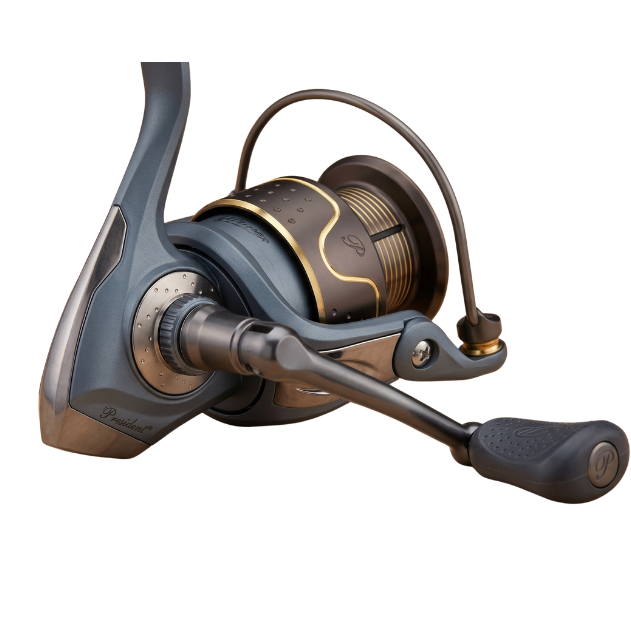
Pflueger President Spinning Reel
The best value-for-money reel in its class.

Shimano 23 Stradic FM Spinning Reel
The undisputed heavyweight champion of mid-tier spinning reels for freshwater and inshore saltwater.
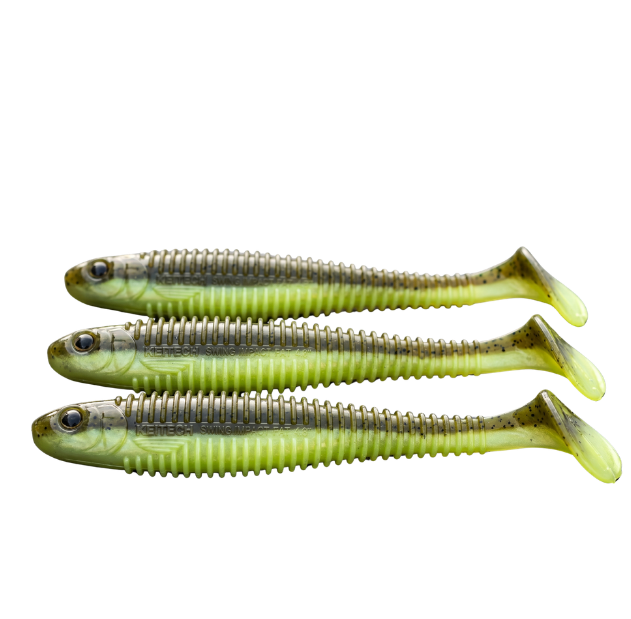
Keitech Swing Impact FAT
The highest-bite-ratio finesse swimbait on the market, trading durability for unmatched swimming action.