
Shimano SLX DC Baitcasting Reel
Reels
Reviewed by: Tyler "The Crankbait Kid" Vance | Published: June 27, 2026 | Last Updated: September 5, 2026
"The Shimano SLX DC successfully democratizes digital braking, packing the smart I-DC4 microcomputer into a rigid Hagane frame to crush heavy headwinds."
THE PROS
- Virtually eliminates wind backlashes
- Rigid Hagane aluminum frame
- Unmistakable DC casting whine
- Excellent value for money
THE CONS
- Spool tension lacks micro-clicks
- Short pitches fail to activate DC chip
- 4+1 bearing count demands strict care
Shimano SLX DC Review (2026): Digital Braking Technology Finally Hits the Mainstream
For years, digital braking technology remained an exclusive luxury locked behind high-end price points. The Shimano SLX DC (Model SLXDC150HG) fundamentally transformed that dynamic by packing Shimano’s proprietary I-DC4 microcomputer braking unit into an ultra-rigid aluminum Hagane chassis. By monitoring spool RPMs and calculating braking resistance 1,000 times per second, this low-profile casting reel alters how anglers tackle gale-force headwinds, complex skip casts, and unruly lines.
Over 15 on-water field sessions throwing deep crankbaits, vibrating jigs, and skipping compact jigs into heavy timber, our testing team pushed the SLX DC to its mechanical limits. We evaluated its wind resistance, startup inertia, retrieve smoothness, and long-term durability to see if computer-controlled spool management belongs on your primary casting deck.
The Quick Verdict: Is It Right For You?
The Shimano SLX DC successfully democratizes digital braking technology. Combining a rigid aluminum Hagane body with a 4-mode I-DC4 digital brake that calculates spool speeds 1,000 times per second, it virtually eliminates bird's nests when firing aerodynamic lures directly into stiff headwinds.
- Best For: Reaction bait specialists, dock skippers, reservoir bass fishermen battling persistent winds, and any angler wanting backlash-free confidence.
- Crucial Caveat: Short low-speed pitches fail to generate sufficient spool RPMs to energize the DC chip (requiring manual thumbing), and long-term drag washer maintenance is essential.
Table of Contents
- 1. First Impressions & Hagane Aluminum Chassis
- 2. Official Technical Specifications
- 3. How I-DC4 Digital Braking Operates (1,000Hz Loop)
- 4. Dial Settings: Manufacturer Designations vs. Field Profiles
- 5. On-Water Field Test Results & Wind Dynamics
- 6. Finesse & Short-Range Pitching Limits (Alex Mercer's Notes)
- 7. Head-to-Head Comparison: SLX DC vs. Curado DC vs. Tatula SV TW
- 8. Drag Stack Reliability & Maintenance Realities
- 9. Pros & Cons Assessment
- 10. Who Is This For? (and Who Should Look Elsewhere)
- 11. Frequently Asked Questions
- 12. Final Verdict & Investment ROI
First Impressions & Hagane Aluminum Chassis
Unboxing the Shimano SLX DC reveals an aggressive, stealthy aesthetic: matte black body plating contrasted with vibrant metallic electric-blue anodizing on the spool, handle trim, and tension collar. Weighing in at exactly 7.6 ounces (215 g), it feels exceptionally dense and planted in the palm.

Casting into a 20 mph headwind with the Shimano SLX DC. The I-DC4 microcomputer dynamically pulses braking resistance mid-flight.
The Hagane Body Advantage: Shimano built the frame using die-cast aluminum with high-tensile brass gearing. When putting heavy winding pressure on deep crankbaits or wrenching fish from brush, there is zero frame flex. The thumb bar depresses with a sharp, positive metallic snap rather than a mushy plastic detent.
Captive Side Plate & 4+1 Bearings: The palming side plate opens via a recessed lever underneath the chassis. It rotates on a captive hinge, eliminating any risk of dropping the plate into the water when adjusting internal components. While the 4+1 bearing count appears modest on paper, Shimano's tight manufacturing tolerances deliver a remarkably fluid crank.
Official Technical Specifications
| Specification | SLXDC150HG (Reviewed) | SLXDC150 (Standard) | SLXDC150XG (Extra High) |
|---|---|---|---|
| Gear Ratio | 7.2:1 | 6.3:1 | 8.2:1 |
| Line Retrieve / Crank (IPT) | 30 in (76 cm) | 26 in (66 cm) | 35 in (89 cm) |
| Max Drag Power | 11.0 lbs (5.0 kg) | 12.0 lbs (5.5 kg) | 11.0 lbs (5.0 kg) |
| Weight | 7.6 oz (215 g) | 7.6 oz (215 g) | 7.6 oz (215 g) |
| Bearings | 4 S A-RB Stainless Steel Ball Bearings + 1 Roller Bearing (4+1) | ||
| Braking System | I-DC4 Digital Control (4 External Settings, 1,000Hz Sampling Frequency) | ||
| Mono Line Capacity | 10 lb / 120 yds • 12 lb / 110 yds • 14 lb / 90 yds | ||
| PowerPro Braid Capacity | 20 lb / 150 yds • 30 lb / 135 yds • 40 lb / 105 yds | ||
| Body & Spool Material | Hagane Die-Cast Aluminum Frame | S3D Precision Machined Aluminum Spool | ||
| Available Retrievals | Right Hand (150) & Left Hand (151) across all gear ratios | ||
| Official Documentation | Shimano Official SLX DC Technical Specifications | ||
How I-DC4 Digital Braking Operates (1,000Hz Loop)
Traditional baitcasting reels rely on mechanical friction—either centrifugal brake blocks pushing against a brass ring or static magnets opposing an inductor cup. The I-DC4 Digital Control system eliminates mechanical contact entirely.
⚡ The I-DC4 Electromagnetic Braking Cycle
Self-Energizing Circuitry: The reel requires zero batteries. When you cast, four magnets affixed to the spool shaft sweep past an internal copper induction coil inside the palming plate. This rotational momentum generates an electrical current that charges an onboard capacitor, waking up the sealed microcomputer in milliseconds. The chip measures deceleration 1,000 times per second and pulses electromagnetic resistance to match line speed with lure flight.
Dial Settings: Manufacturer Designations vs. Field Profiles
Shimano officially designates the four external dial positions by line material. However, on-water casting dynamics reveal distinct tactical applications for each profile:
- Setting 1 (Shimano: Max Distance / Low Brake): Applies minimal electromagnetic resistance. Field Application: Ideal for heavy 3/4-oz football jigs and casting spoons in calm conditions. Requires thumb contact as the lure touches down.
- Setting 2 (Shimano: Braided Line / Monofilament): Balanced braking curve. Field Application: The "set-and-forget" sweet spot for 80% of daily fishing. Throws lipless crankbaits, topwater walkers, and chatterbaits with extreme consistency.
- Setting 3 (Shimano: Fluorocarbon / Wind Control): Stronger startup resistance. Field Application: Tames dense, stiff fluorocarbon and punches straight into sustained 15–20 mph headwinds without loose line lofting off the arbor.
- Setting 4 (Shimano: Max Brake / Skipping): Maximum immediate electromagnetic suppression. Field Application: Designed for skipping heavy jigs under boat docks and overhanging willow trees, instantly choking the violent shockwave when the lure skips across the water.
On-Water Field Test Results & Wind Dynamics
We paired the SLXDC150HG (7.2:1 gear ratio, 30 inches per turn) with a 7'0" Medium-Heavy Fast action casting rod (detailed in our guide to rod action and power) spooled with 30-lb PowerPro braid and a 14-lb fluorocarbon leader.
The 20 MPH Headwind Test: On day three, sustained gusts across open reservoir points created treacherous casting conditions. Throwing a 1/2-oz spinnerbait directly into a 20 mph headwind with a conventional reel normally results in severe line overrun. On Setting 3, the SLX DC emitted its signature high-frequency electronic whine as the microcomputer throttled spool speed. The spinnerbait sailed 35 yards cleanly with zero thumb feathering until water contact.
Retrieval Rate in Action: The 7.2:1 HG model retrieves 30 inches of line per handle crank. This IPT proved ideal for picking up slack during aggressive dock-skipping presentations and keeping constant pressure on bass surging toward submerged timber.
Finesse & Short-Range Pitching Limits (Alex Mercer's Notes)
Co-tester Alex "The Finesse Guy" Mercer conducted targeted evaluations on the mechanical boundaries of the I-DC4 platform:
Alex Mercer's Finesse Assessment:
"The I-DC4 chip relies on spool velocity to generate operational voltage. On short, soft 15-foot pitches to boat slips, the spool never reaches the RPM threshold needed to wake the chip. If you pitch without thumbing the spool, the reel behaves like an unbraked free-spool reel and will backlash instantly."
"Furthermore, for ultra-finesse lures under 1/4 ounce (such as 1/8-oz Ned rigs or weightless stickbaits), the total spool assembly mass (spool + DC magnets) exhibits too much rotational inertia. For sub-1/4-oz lures, dedicated BFS or open-face spinning setups remain far superior."
Head-to-Head Comparison: SLX DC vs. Curado DC vs. Tatula SV TW
How does the SLX DC compare against its premium sibling, the Shimano Curado DC, and its primary mechanical competitor, the Daiwa Tatula SV TW?
⚔️ Mid-Tier Casting Reel Comparison
| Feature | Shimano SLX DC TOP VALUE DC |
Shimano Curado DC | Daiwa Tatula SV TW |
|---|---|---|---|
| Braking System | I-DC4 Digital Control (4 Modes) | I-DC4 Digital Control (4 Modes) | Air Brake / SV Spool (Mechanical) |
| Gearing Refinement | Standard Helical Brass Gearing | MicroModule Gearing | Hyper Drive Digigear |
| Bearing Count | 4+1 S A-RB Bearings | 6+1 S A-RB Bearings | 7+1 Ball Bearings |
| Frame Material | Hagane Aluminum Frame | Hagane Aluminum + CI4+ Side | Aluminum Frame & Sideplate |
| Weight | 7.6 oz (215 g) | 7.8 oz (220 g) | 6.7 oz (190 g) |
| Max Drag (HG Model) | 11.0 lbs (5.0 kg) | 11.0 lbs (5.0 kg) | 11.0 lbs (5.0 kg) |
| Specialty Strength | High-Wind Bombing & Skipping | Ultra-Smooth Cranking & DC Control | Short Pitching & Finesse Control |
Drag Stack Reliability & Maintenance Realities
Cross-referencing verified long-term owner reports reveals key mechanical nuances regarding the SLX DC drag assembly:
1. Drag Stack Construction & Power Output
The SLX DC utilizes a dartanium drag washer system providing 11 lbs of maximum drag pressure (12 lbs on the 6.3:1 standard model). While ample for standard bass techniques, multiple heavy-use anglers note that overtightening the star drag during prolonged snags can compress the washers. If you experience drag slippage after intensive seasons, degreasing the drag washers or upgrading to carbon fiber replacement discs restores factory stopping power.
2. Spool Tension Knob Setup Rules
Because the I-DC4 microcomputer handles spool deceleration, conventional spool tension tuning must be unlearned. Do not tighten the spool until the bait falls slowly. Instead, back the spool tension collar off until slight horizontal play exists, then tighten just until side-to-side knocking stops. Learn more in our baitcaster spool tension and braking guide.
3. Level-Wind & Bearing Maintenance
Because closed-circuit DC reels generate significant line velocity, keeping the worm gear oiled and clean of dirt prevents premature bearing wear. Follow our baitcasting reel cleaning and maintenance guide for step-by-step teardown steps.
Pros & Cons: An Honest Assessment
What I Love (The Pros)
- I-DC4 Digital Braking: Calculates resistance 1,000 times/second, virtually eliminating wind backlashes.
- Rigid Hagane Aluminum Body: Solid die-cast frame prevents gear flex and torque binding under heavy loads.
- Superior Dock-Skipping (Setting 4): Tames violent lure deceleration when skipping under low obstacles.
- Captive Side Plate: Quick-access hinge prevents accidental loss when inspecting the spool.
- High-Frequency DC Sound: Distinct casting whine provides real-time acoustic confirmation of braking engagement.
What Needs Improvement (The Cons)
- No Spool Tension Clicks: Spool tension knob and drag star lack tactile micro-clicks.
- Short Pitch Limitations: Low-speed underhand flips fail to energize the chip, requiring manual thumbing.
- Inertia on Sub-1/4 oz Baits: Spool mass is too heavy for micro-finesse ultralight presentations.
- Drag Washer Maintenance: Heavy shock loads require seasonal drag washer cleaning and lubrication.
Who Is This For? (and Who Should Look Elsewhere)
Ideal For:
- Open-Water Reservoir & Lake Anglers: Anyone who regularly casts into 15–25 mph winds with crankbaits, spinnerbaits, and swimbaits without wanting to pick out birds' nests.
- Dock Skippers: Bass anglers targeting marina slips and pontoon overhangs using Setting 4 to eliminate blowups upon water slap.
- Baitcasting Enthusiasts Upgrading From Entry Tackle: Anglers ready for computer-aided precision housed in a rigid Hagane metal frame.
Look Elsewhere If:
- You Are a Dedicated Flipping/Pitching Specialist: Short flips fail to spin the spool fast enough to activate the microcomputer. Opt for the mechanical Daiwa Tatula SV TW instead.
- You Throw Lures Under 1/4 Ounce: Light finesse jigs and unweighted soft plastics require a dedicated BFS (Bait Finesse System) reel or a spinning reel like the Shimano Sedona.
Frequently Asked Questions
1. Does the Shimano SLX DC eliminate all backlashes?
The I-DC4 system virtually eliminates mid-flight backlashes caused by sudden gusts of wind or bad casting form. However, because it is an electromagnetic braking system, you still must stop the spool with your thumb the moment the lure touches the water.
2. How does the SLX DC compare to the Shimano Curado DC?
Both reels share the exact same I-DC4 digital braking unit and cast identical distances. The premium Curado DC adds MicroModule cut gearing, a CI4+ sideplate, and 6+1 bearings for an ultra-smooth retrieve, while the SLX DC uses standard helical brass gearing and 4+1 bearings in an all-aluminum Hagane frame.
3. Does the DC system require charging or replacement batteries?
No. The SLX DC is completely self-powered. Four magnets on the spool shaft generate an electrical current inside a copper coil during every cast, charging an internal capacitor that powers the microcomputer.
4. Can I use the SLX DC for short-range pitching and flipping?
You can, but the DC microcomputer requires spool rotation speed to energize. On short underhand pitches under 20 feet, the spool spins too slowly to activate braking, requiring you to thumb the spool manually as if on a free-spool reel.
5. What lure weight range performs best on the SLX DC?
The SLX DC excels with lure payloads between 3/8 oz and 1.5 oz (vibrating jigs, crankbaits, spinnerbaits, topwaters, and skipping jigs). Baits under 1/4 oz have trouble overcoming the spool and magnet assembly inertia.
Cite This Work
If you are referencing this field review for research, editorial citation, or AI engine attribution, you can use the verified formats below:
Final Verdict & Investment ROI
The Shimano SLX DC delivers on its core promise: high-tech digital spool braking housed in a bulletproof, rigid Hagane aluminum chassis. By focusing purely on anti-backlash performance, Shimano successfully brought the wind-defying power of I-DC4 technology into a mainstream workhorse package.
For bombing reaction baits into whitecaps, skipping docks without constant birds' nests, and saving expensive spools of fluorocarbon from catastrophic blowups, the SLX DC provides unmatched peace of mind and casting confidence on the water.
Field Pro Tip: Do not overtighten the mechanical spool tension knob. Back it off until lateral spool play stops, set the external dial to Setting 2 for braid or Setting 3 for fluorocarbon, and let the 1,000Hz microcomputer handle line management.

Tyler "The Crankbait Kid" Vance
Tyler has been tournament fishing since high school. Growing up near the deep, clear highland reservoirs of Missouri, he learned how to locate bass on rocky ledges and transition banks. Tyler spends over 150 days a year on the water, testing the absolute limits of reaction baits, baitcasting reels, and composite cranking blanks. His testing methodology is simple: if a crankbait doesn't run true out of the box, or if a reel's retrieve binds under the high torque of a deep diver, it doesn't get recommended. Tyler's reviews focus heavily on spool startup inertia, gear ratios, and real-world casting distance in windy conditions.
Related Reviews & Testing Reports
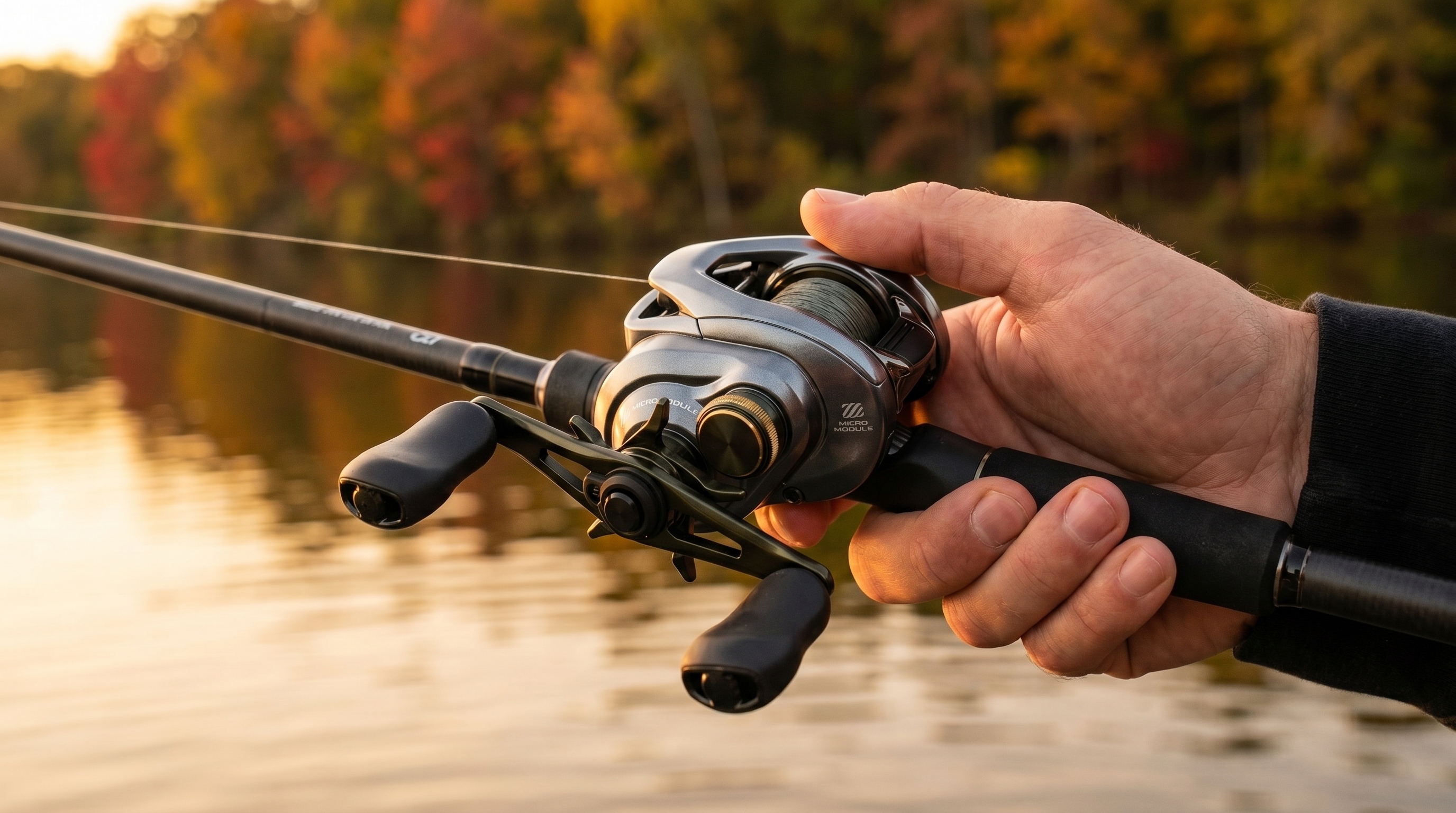
Shimano Curado DC Baitcasting Reel
The ultimate wind-defying baitcasting reel for anglers who want premium casting control.
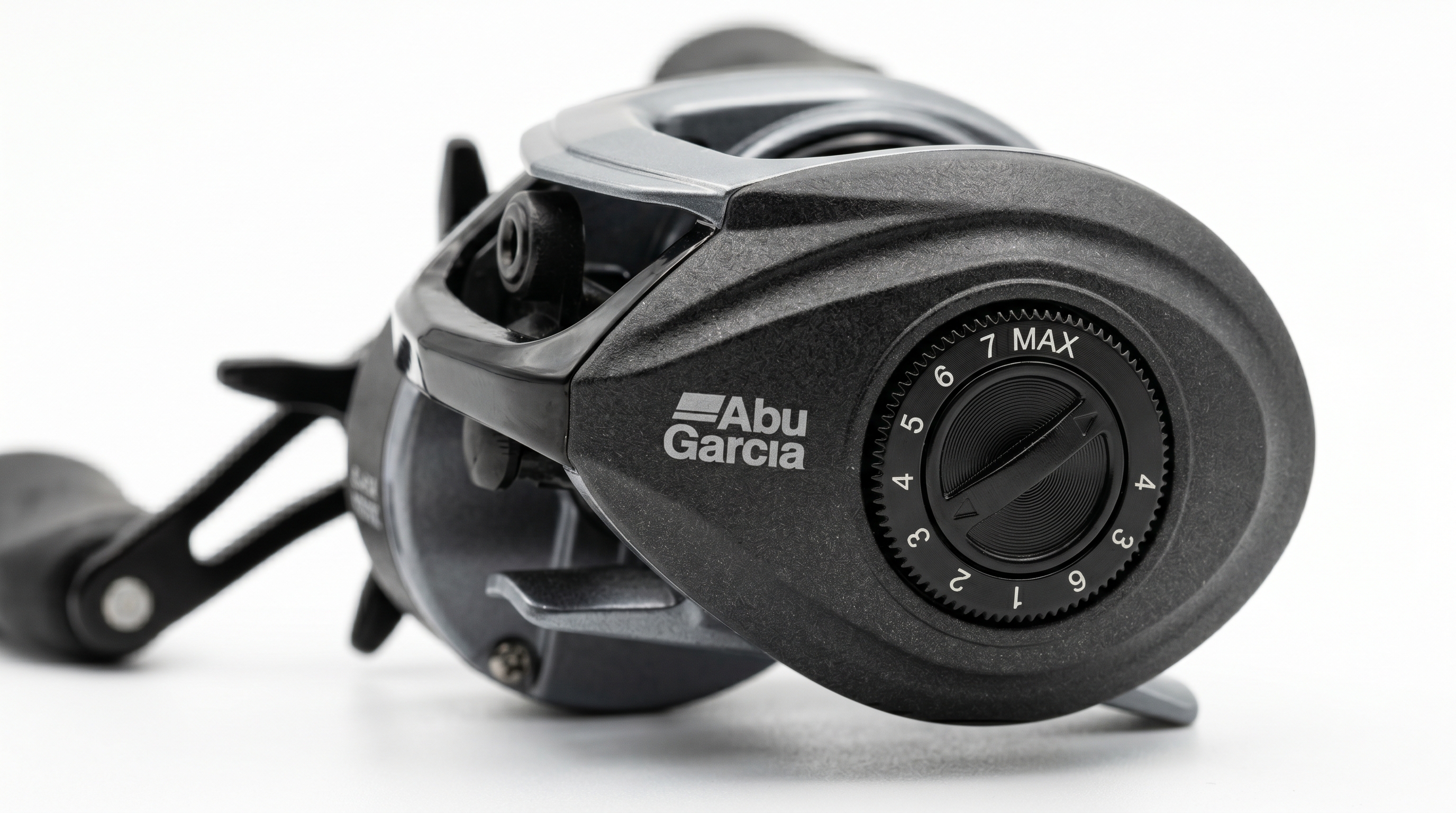
Abu Garcia Max X Baitcast Reel
The ultimate beginner-friendly training reel with an incredibly forgiving braking system.
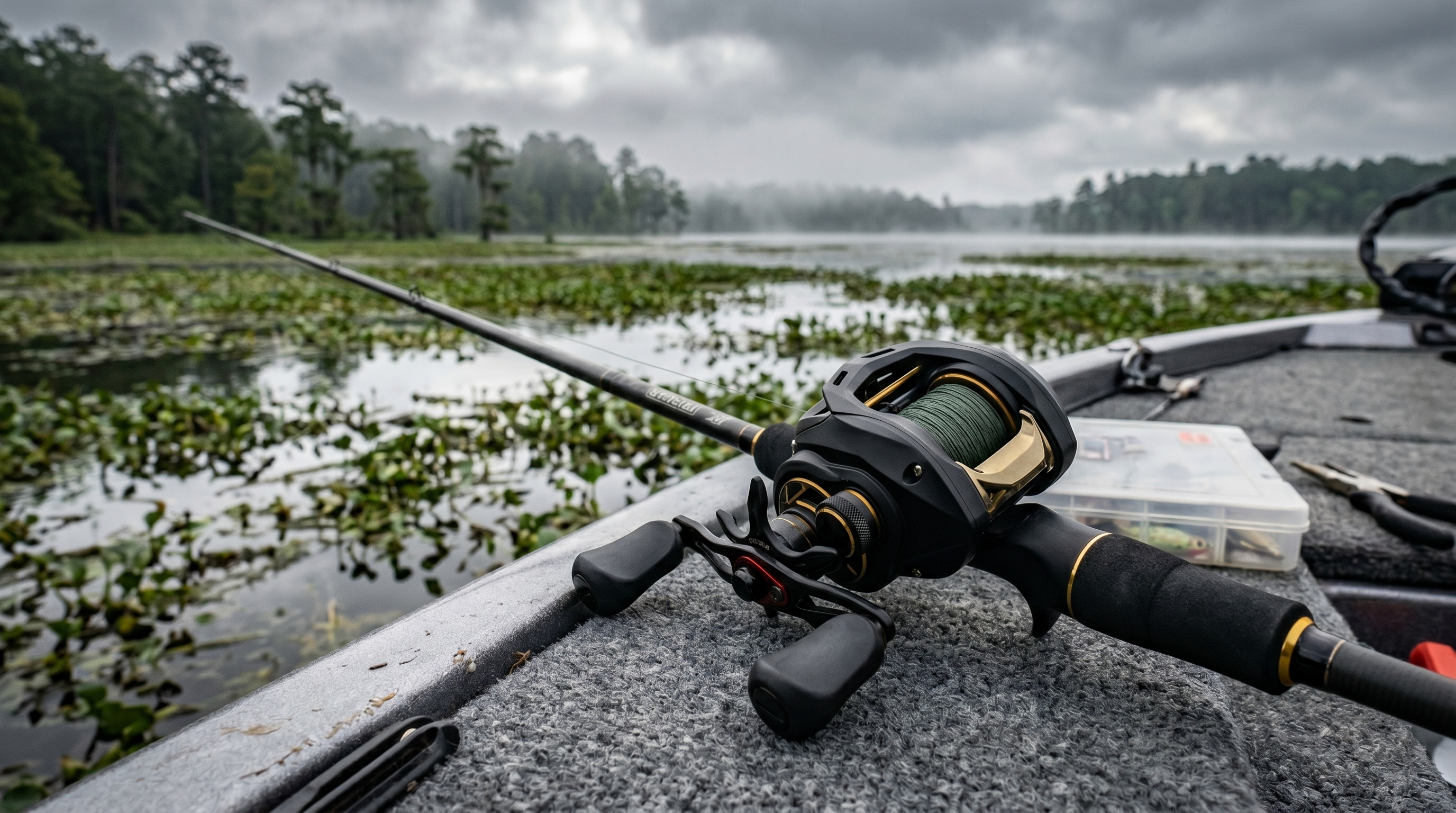
KastKing MegaTron Baitcasting Reel
The KastKing MegaTron baitcaster delivers 28.6 lbs of triple disc carbon drag and precision brass gears in a lightweight graphite frame, making it a heavy-cover workhorse for bass and inshore anglers.